
Credit Score for a Home Loan: What Banks Really Consider
Your credit score for a home loan influences whether your application is approved and what interest rate you may receive. While many banks prefer a score above 600, there is no fixed minimum that guarantees approval. Each application is assessed individually and subject to bank approval.
When you apply for a home loan, your credit score gives banks an indication of how you’ve managed credit in the past. However, lenders do not rely on your score alone. They assess your full financial profile before making a decision.
Understanding how your credit score works can help you prepare properly before submitting your application.
How Credit Scores Work in South Africa
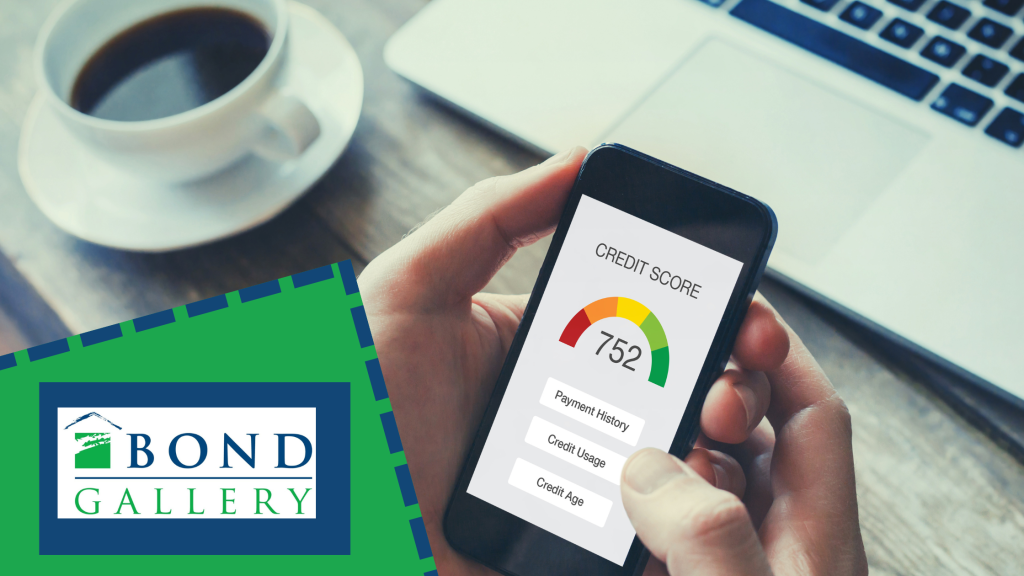
In South Africa, credit scores typically range between 300 and 850, depending on the credit bureau.
Although scoring models differ slightly, they generally fall into the following ranges:
- 700 and above: Strong credit profile
- 650 to 699: Good credit profile
- 600 to 649: Fair credit profile
- Below 600: Higher risk profile
Your score is calculated using factors such as:
- Payment history
- Outstanding debt balances
- Length of credit history
- Types of credit used
- Recent credit applications
You can learn more about credit regulation under the National Credit Act from the National Credit Regulator:
https://www.ncr.org.za
What is the Minimum Credit Score Do You Need for a Home Loan Credit Score Required?
There is no official minimum credit score required for a home loan in South Africa.
However, many banks generally prefer:
- Above 650 for stronger applications
- 600 to 650 for moderate risk profiles
- Below 600 may face stricter criteria
Approval depends on more than your score alone. Banks also assess:
- Your income and affordability
- Existing debt levels
- Employment stability
- Deposit size
- Property value
If you are unsure how much you may qualify for, you can review our guide on how much home loan you can qualify for in South Africa before applying.
How Your Credit Score Affects Your Interest Rate
South African banks use risk-based pricing. This means your interest rate is linked to your overall risk profile.
A stronger credit score may improve your chances of receiving a more competitive interest rate. A weaker score may result in higher pricing or additional conditions.
Two applicants earning the same salary may receive different interest rates based on their credit behaviour and debt levels.
To understand how pricing works, read our detailed explanation of how banks calculate home loan interest rates in South Africa.
Interest rates are always subject to change and final bank approval.
What Banks Consider Beyond Your Credit Score
Your credit score is important, but it is not assessed in isolation.
Banks also review:
Affordability
They calculate whether you can realistically afford the monthly bond repayment after accounting for:
- Existing debt
- Living expenses
- Insurance premiums
- Other financial commitments
Employment Stability
Permanent employment and consistent income improve your risk profile.
Deposit Contribution
A deposit reduces the bank’s risk and may strengthen your application.
If you are unsure about deposit requirements, see our guide on how much deposit is required for a home loan in South Africa.
Each application is assessed individually according to the bank’s internal criteria.
Common Credit Issues That May Affect Approval
Certain credit behaviours can weaken a home loan application:
- Missed or late payments
- High credit card utilisation
- Judgments or defaults
- Accounts handed over for collection
- Multiple recent credit applications
Banks assess both how severe the issue was and how recently it occurred.
For example, a settled default from several years ago may carry less weight than recent missed payments.
How to Improve Your Credit Score Before Applying

Improving your credit score requires consistency over time.
You can strengthen your profile by:
- Paying all accounts on time
- Reducing outstanding balances
- Avoiding unnecessary credit applications
- Settling smaller debts
- Keeping credit utilisation low
Even three to six months of improved financial behaviour can positively influence your score.
If you are concerned about your credit standing, reviewing your report before applying can help you identify and correct any inaccuracies.
Does Applying at Multiple Banks Affect Your Credit Score?
Submitting multiple separate applications within a short period may result in multiple credit enquiries.
While this does not automatically lead to rejection, it can influence how your risk profile is viewed.
Applying through a bond originator allows your application to be submitted to multiple participating banks in a structured way, helping you compare offers without approaching each bank individually.
If you would like to understand this process better, read our guide on what a bond originator does in South Africa.
Why Comparing Banks Can Improve Your Outcome
Different banks apply different internal risk models.
One bank may decline an application while another may approve it, subject to conditions.
Submitting your application through Bond Gallery allows you to:
- Compare interest rate offers
- Compare loan amounts
- Review approval conditions
- Make an informed decision
Bond Gallery manages the process from application through approval and registration, at no direct cost to the client.
If you would like assistance comparing home loan offers, you can begin your online home loan application here:
https://bondgallery.co.za/home/bond-application/
Final Thoughts
Your credit score for a home loan is an important part of your financial profile, but it is only one factor banks consider.
Approval depends on affordability, income stability, debt levels and overall risk assessment. Preparing in advance and understanding how banks evaluate applications can reduce uncertainty during the approval process.
Because each bank applies its own criteria, comparing multiple offers can provide greater clarity when making your final decision.
Frequently Asked Questions
What is the minimum credit score for a home loan in South Africa?
There is no fixed minimum. Many banks prefer a score above 600, but approval depends on your full affordability and risk profile.
Can I get a home loan with a credit score below 600?
It may be more challenging, but approval depends on income, employment stability and existing debt levels.
How long does it take to improve a credit score?
Improvement timelines vary. Consistent on-time payments and reduced debt over several months can positively influence your score.
Does checking my credit score lower it?
Checking your own report is generally considered a soft enquiry and does not negatively impact your score.
Will a higher credit score guarantee approval?
No. Each application is assessed individually and subject to bank approval.
Financial Disclaimer:
This article is for informational purposes only and does not constitute financial advice. Home loan approval and interest rates are subject to bank assessment and approval. Please consult a qualified financial advisor for personalised guidance.